Blog

  • For Your Thoughts

    For Your Thoughts

    The penny sat on the pavement, lodged in a crack between two slabs of concrete. Tarnished, scratched, ordinary. Lucy almost didn’t notice it. She was late, coffee in one hand, phone in the other, her thoughts tangled in the weight of another disappointing morning.

    But she did notice. And that was the first mistake.

    She hesitated, staring at it. Something about it felt off—not in a way she could explain, but in a way that curled around the base of her skull like a cold hand.

    She bent down. Picked it up.

    It was heavier than it should have been. Too cold, as if it had been sitting at the bottom of a well rather than lying in the open. Her thumb grazed the surface. Tiny markings. Words, maybe. Too small to read.
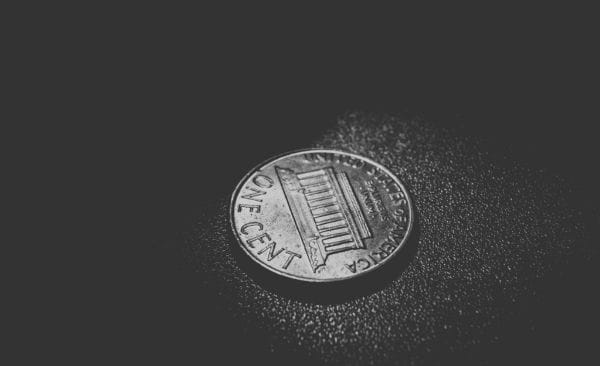
    For Your Thoughts 1

    She dropped it into her pocket.

    And the world shifted.

    Not in a way anyone else would notice. Not in a way that could be measured. But by the time she reached work, her mind felt… crowded. Not with her own thoughts, but with others. Little flickers of intrusion, like static breaking through a radio:

    Hope she doesn’t notice I took the last donut.
    If my boss asks about the Henderson file, I’ll say I sent it yesterday.
    He’s been acting weird lately. Does he know?

    The noise built, a rising tide. And then—Greg. Her supervisor, Greg, with his forced smile and stale coffee breath, walked past, and his thought hit her like a fist:

    She’s useless. She’ll never be more than this.

    The coffee cup slipped from her fingers. The heat of it barely registered.

    Greg frowned. “You okay?”

    She forced a smile. “Fine.”

    She wasn’t fine.

    She knew. The penny had given her something.

    A curse. A gift. A trap.

    It didn’t stop. The thoughts poured in, a ceaseless flood of secrets and regrets. Mia, the receptionist, was drowning in quiet misery: I’ll never get out of this town. The janitor, silent and invisible, was crumbling beneath despair: No one would notice if I disappeared.

    And the penny buzzed in her pocket, warm now, alive.

    At lunch, her salad rotted in front of her. The clock on the wall ticked wrong, skipping minutes, then hours, then stopping entirely. When she looked outside, the street seemed… stretched. The people moving wrong—too slow, too blurred, like figures in a dream that had begun to unravel.

    She went home early.

    At the kitchen table, she pulled the penny from her pocket.

    “What are you?” she whispered.

    The whispers didn’t answer, not in words, but in understanding.

    A penny for your thoughts.

    That was the rule. The bargain. The price.

    It let her hear. But it took, too.

    Thoughts were currency, and the penny was always collecting.

    She tried to get rid of it.

    She threw it out the window. Buried it. Left it in a gutter. But every time, it came back. By morning, it was on her nightstand. By afternoon, in her pocket.

    And the whispers were changing. Not just thoughts anymore. Urging. Guiding.

    Pick it up. Use it. Let us in.

    By the third night, her apartment was wrong. The walls pulsed like living flesh. The shadows watched. The air stank of rot. And the penny sat there, gleaming with something deeper than light.

    “What do you want?” she choked out.

    The answer came, inevitable as a tolling bell:

    Everything.

    Lucy was gone by morning.

    No missing posters. No concerned coworkers. Just an empty desk.

    And a penny.

    The janitor found it.

    He stood in the dim breakroom, staring down at the coin in his palm. He had seen it before. He had held it before.

    And he had buried it before.

    Slowly, he turned it over.

    The scratches weren’t scratches. They were letters. A name.

    Lucy’s name.

    His hands trembled.

    It had happened again.
    For Your Thoughts 2

    For years, he had watched people disappear, one by one. A stray penny. A lost name. A hollow space where a person used to be.

    No one noticed. No one remembered.

    Except him.

    He reached into his pocket, fingers closing around something cold, solid.

    A penny.

    Another one.

    And another.

    And another.

    His pocket was full of them.

    He had been collecting them for years.

    And yet, no matter how many he took, no matter how many he buried

    They always came back.

    Now it keeps him wondering, was he really meant to find and keep them, or was he a part of something bigger?

  • A Passing Fleeting Moment

    A Passing Fleeting Moment

    She’d seen her in the store, standing by the test aisle. A girl in a black velvet jacket and a red dress, her presence strange against the cold fluorescent lighting. She hadn’t seemed to belong to that place, that sterile, clinical space filled with small boxes promising futures, filled with waiting and hoping. 

    Her gaze, intense and far too knowing, met hers for a moment before she turned and disappeared down the aisle, her steps soundless, almost like she was floating. The strange smile the girl wore lingered in her mind long after. 

    Not a smile of joy, but something else—a half-secret, something unfinished. 

    The encounter felt like a warning, but she had brushed it off.

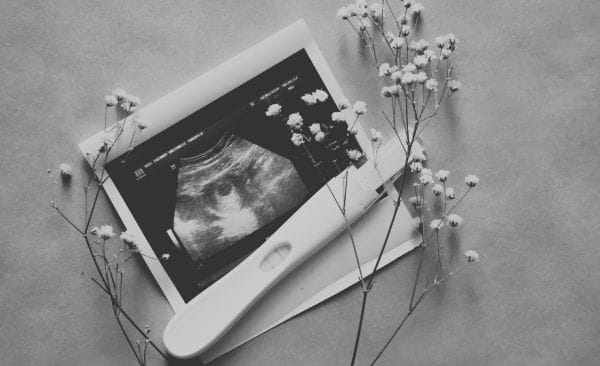
    The next day, the test sat on the bathroom counter, its faint pink line lingering like a half-finished promise. It wasn’t much—a sliver of hope, like a half-formed ghost drifting just out of reach. It was enough, though. The kind of quiet pulse in the air that makes your veins hum with something electric and sharp, a sharpness you can’t quite name. 

    A baby. No—the baby. 

    The one she’d been waiting for, the one that had haunted the edges of her days. Not the kind of joy that sends you spinning, not yet, but the kind of breath you hold deep in your chest. Like watching a match flicker, trembling, almost snuffed out, but still glowing.

    Days blurred. The house, impossibly still, seemed to echo with an emptiness that whispered of something that might have been. The light streaming through the window was golden and soft, filling her with the joy— for a child who had not been born yet.

    She tried to ignore the tiny shifts in the world around her. They were subtle, these shifts—too small to speak of, too quiet to name. But she let it be. Let it grow. Because somehow, it felt like the right thing to do.

    It wasn’t long before the small signs appeared, the soft tremors in her body that whispered too faintly to be warnings but too persistently to ignore. 

    A little cramp. 

    A ripple that passed as easily as breath. She let it go. 

    She was used to these things, after all. But now she felt the pain. She saw blood. It was alarming  yet there is a strange cadence to it all. Like the world had started humming, and she was the only one who could hear the song.

    Then, it came. Not with the force of a storm, but with the silence of a breath held too long. 

    The child was gone. 

    No scream. 

    No wailing. 

    Just a soft, muffled absence, as though something important had slipped quietly through her fingers and was never meant to be caught.

    A Passing Fleeting Moment 3

    A week after losing the baby, the pregnancy test was still in the drawer. A forgotten relic of something that no longer felt real. And yet, the promise—the pink line—lingered, fading now. It felt brittle, as though it might shatter if she dared to touch it.

    That afternoon, the sun streamed through the window in bright golden strips, casting shadows that seemed to move of their own accord. She sat in the living room, wrapped in the strange stillness. She has gone to the doctor but she hadn’t told anyone. 

    There were no words for what had happened, no language to describe the in-between. 

    The absence felt like a secret—a thing the universe had kept hidden, a thing she was never meant to understand.

    But then, there was the stir. 

    Not in her body. No, this wasn’t her body anymore. It was something else. A sensation like the whisper of wind through curtains, but warmer. 

    A shifting in the very air, like something ancient was stirring.

    And then she saw it. A figure, thin and tall, stepping out from the shadows. It was neither man nor woman, neither alive nor dead, but something in between—something that existed on the edge of memory and forgotten dreams. It was smiling, though its smile had no teeth, no edges. It was a smile that wasn’t meant for this world, but somehow was.

    “You’ve been waiting for something,” the voice came, not from the figure but from everywhere. The walls. The floor. The air. 

    “For something that never had a form. Isn’t that funny?”

    She tried to speak, but her mouth felt sewn shut. 

    She realized, then, that the child—this child, this thing she had been waiting for—was never a child at all. 

    It wasn’t a life that had been lost, but a dream. 

    A passing thing, a fleeting thing, woven into the fabric of time itself, too delicate to hold, too ethereal to touch.

    But there was something. Something left behind. 

    Not loss, but change. 

    The room felt different now. Like a river finding a new course, soft and flowing. There was something ancient about it, something that had always been here, rearranging itself.

    The figure began to fade, its form melting into the very air, becoming part of the room. 

    It wasn’t gone, not really. It was simply… everywhere.

    “You’ll never understand it,” the figure whispered as it faded.

    “Not yet. But you’ll feel it, always, always in the spaces between… that’s where the healing happens.”

    And just like that, the room was still again.

    She understood then. 

    The loss wasn’t an absence—it was a part of something greater. The child hadn’t gone anywhere. It had changed, become something that could never be held, never fully understood. 

    But it was there, in the spaces between the words, in the shadows that flickered just out of sight. She would never see it again, but she would always feel it.

    A Passing Fleeting Moment 4
  • Maybe It’s Gremlins

    Maybe It’s Gremlins

    There’s a rule about losing things, you know. Everyone’s been there. A sock gone from the dryer. A pen vanished from your desk. A key that was just in your hand. Mundane, irritating, everyday stuff. But Sarah was beginning to notice that for her, it was something more. Something… wrong.

    It started with her phone. She’d been sitting at the kitchen table, scrolling through an article about houseplants that purify the air. Her phone buzzed with a low battery warning. She set it down to grab the charger from the counter. When she turned back, the phone was gone.

    She froze, her eyes darting around the table. There was nothing on it but the plate from her breakfast. A moment of disbelief passed. She laughed softly, brushing it off. She had probably carried it with her to the counter without realizing.

    Except she hadn’t. The counter was bare.

    The phone didn’t turn up until three days later. It was on the coffee table, sitting there as if it had been there the whole time, even though she had checked that spot dozens of times. Sarah had laughed then, a high-pitched, nervous sound she didn’t quite recognize as her own.

    It happened again.

    Maybe It's Gremlins 5

    Her door keys went next. Then her wedding ring. Small things at first. Always disappearing, always reappearing in the same places she’d searched over and over again. Friends laughed when she told them.

    “Maybe it’s gremlins,” her friend Ashley said, grinning. “Or maybe you’ve got one of those poltergeists.”

    Sarah didn’t laugh. She just smiled and sipped her wine. Poltergeist. Gremlins. Silly words. But sometimes, in the quiet of her house at night, she thought she could feel something there. Something watching her.

    Then came the night of the scissors.

    She had been working on a sewing project in the spare bedroom. The little lamp on the desk threw out a pale, anemic light. The scissors were heavy, good-quality ones that made a satisfying snick when she cut through fabric. She’d just set them down to adjust the fabric, but when her hand groped for them a second later, the scissors were gone.

    Sarah didn’t panic at first. She just looked around, brushing scraps of fabric aside. Nothing. The room was small, no more than ten feet across. The scissors could only be in so many places.

    But they weren’t.

    She started opening drawers, pulling out spools of thread and half-finished projects. She moved the chair, crouched down to check beneath the desk. By the time she had emptied the wastebasket, her breath was coming in quick, shallow bursts.

    “Where are they?” she hissed.

    She stepped back, staring at the desk as if she could will the scissors into reappearing. The room felt… different now.

    When she turned, she swore she saw something move in the hallway. Just a flicker of motion, gone as soon as her eyes focused on it.

    The scissors turned up the next morning, lying neatly in the middle of her bed.

    Sarah’s hands shook as she picked them up. She didn’t remember bringing them into the bedroom. She was certain she hadn’t. The thought gnawed at her as she carried the scissors back to the sewing room. Something about the way they lay there, perfectly aligned with the comforter… it felt deliberate. Intentional.

    And then things escalated.

    It wasn’t just objects going missing anymore. It was sounds. Voices. She’d hear them in the quiet moments, soft murmurs coming from the next room, just out of earshot. Once, she thought she heard her own name.

    One night, she woke to the sound of her front door opening and closing. When she ran downstairs, the house was empty, the locks untouched. Another night, she felt a weight on the edge of her bed, like someone sitting there. She didn’t dare look.

    She tried to tell Ashley, but the words sounded ridiculous out loud. Instead, she asked, “Do you ever feel like… things go missing on purpose?”

    Ashley frowned. “Like what?”

    “I don’t know. Just… things. Small things.”

    “Sounds like you’re stressed,” Ashley said, patting her hand. “It’s probably just your brain playing tricks on you.”

    But Sarah’s brain wasn’t the problem. She was sure of that now.

    The last time it happened was a week ago. She’d been holding a photo of her parents, one of the few things she had left of them. She set it down for a moment to answer the door, but when she came back, the photo was gone.

    It was the last straw. She tore through the house, screaming, pulling furniture apart, throwing books off shelves. The photo didn’t come back.

    Not that night.

    But the next morning, it was there. Not in a drawer or on a table, but taped to the bathroom mirror. The glass was smeared with something dark and greasy, letters scrawled in jagged lines:

    STOP LOOKING.

    She doesn’t touch anything now. She lives in the bare minimum of her house, no longer opening drawers or cabinets. But every now and then, she hears it: the faint snick of scissors in the next room, or the low buzz of her phone vibrating somewhere in the walls. Sometimes, she swears she hears laughter.

    One night, she woke up to silence so deep it felt unnatural. Her bedroom was bathed in an eerie half-light, though she hadn’t left any lamps on. 

    Maybe It's Gremlins 6

    She felt something—a presence—looming at the foot of her bed. She held her breath, heart pounding, and dared to glance down.

    There, staring back at her, was herself. A version of her with hollow, sunken eyes and a twisted, mocking smile. The doppelganger held the photo of her parents in one hand and the scissors in the other.

    “I told you,” it whispered in her own voice. “Stop looking.”

    When she blinked, it was gone. But the scissors were there, stabbed into her mattress. And in her own handwriting, scrawled across the walls, were the words:

    YOU CAN’T LOSE WHAT YOU’VE ALREADY GIVEN.

    Now, Sarah doesn’t just avoid searching. She’s stopped sleeping altogether because the things she loses come back stranger than before. She knows it’s only a matter of time before she’s the one that disappears.

  • Stillness

    Stillness

    Derek Marshall woke up in the coffin.

    It was not with the sharp gasp of a person who’d survived a nightmare. It was not with the abrupt shock of a body rushing to life after the void. He woke with an eerie calm, his mind slowly sifting through the murky remnants of sleep, coming to rest on the truth far too late: he had died.

    He was supposed to be dead.

    The air was thick and heavy around him, like breathing in thick velvet. His arms were pressed too tightly to his sides, his legs stiff and bound by the narrow confines of the box. The space was too small. Too dark.

    Stillness 7

    Derek reached up, his fingers scraping over something rough—wood.

    He stopped. He should have known. The thought rose in his mind with clarity. He wasn’t supposed to be able to feel anything. He should have been cold, numb, lifeless.

    But his chest was tight, his heart drumming in his ribs as though it still had a right to beat.

    His thoughts were frantic, scurrying like rats trapped in a corner. He had been at the hospital. He had heard the beeping slow down. He had seen the way the doctors spoke over him, their faces drawn and pitying. He had heard them whisper about his time of death as though it was already decided. No struggle. No fight.

    But here he was. Here he still was.

    And then—the scratches.

    Derek’s fingers twitched against the wooden lid again, feeling the deep grooves, the way they seemed to claw in desperation. Some were shallow and jagged, others long and deliberate, as though someone had been trying to break out—or, perhaps worse, waiting to break out. The thought made his blood run cold.

    His hand traced the grooves, fingers brushing against the letters carved into the wood, slowly spelling out the truth of the space he was trapped in.

    “NOT ALONE.”

    The words—those words—settled into Derek’s mind like poison, slow and insidious. The silence in the coffin deepened, pressing on him from all sides. But it wasn’t the darkness that made his pulse race. It was the unsettling, impossible thought that there had been others. Others who had scratched, clawed, and begged for their freedom—and never had it.

    But the thought didn’t stop there.

    How many?

    How many had died too soon, like him? How many had woken up in the suffocating dark, too late to escape the earth that covered them? How many had reached out, trying to grasp at air, at life, before they suffocated in their own panic?

    And then—something shifted.

    Not in the air. Not in the dirt.

    But inside the coffin.

    Derek’s breath hitched. His chest constricted. It was as if the wood around him had become… alive. There was a pressure, a weight that grew heavier with every breath he took. And then, from the suffocating darkness, a voice—low and cold, not from the lid or the walls, but from deep inside the earth itself.

    “You shouldn’t have woken up.”

    Derek’s blood ran cold. It was the kind of voice that made the air feel wrong. A presence that seemed to reach past the world of the living. And then, another thought crept into his mind—sliding past his terror like oil over water:

    There were others here. Not just the dead. Something else. Something that wanted him to stay buried.


    How long had he been down here?

    Derek didn’t know. Days? Hours? Time didn’t make sense in the earth, in the suffocating weight of his own grave. How could it? How could anything make sense when death was a whisper in your ear, and the cold fingers of the soil were the last thing you’d ever feel?

    He tried to scream.

    His throat burned. The sound was muffled—swallowed—by the suffocating dirt above him. The ground was so thick, so alive with pressure. The suffocating silence seemed to mock him, the weight of the earth pressing harder, pulling him further into the dark.

    And then, a sound.

    A scrape.

    Not from the outside. Not from the dirt above him.

    But from beneath.

    A soft scratching. A dragging of something—someone—moving closer.

    The earth above shifted slightly, and Derek’s pulse thudded in his ears. Was it coming for him? Was it something in the earth?

    He couldn’t breathe fast enough.

    And then, with the cold clarity of someone who has faced their death already, the voice whispered again, closer this time, as if it had always been near, waiting for him to hear:

    “He’s asking for you.”

    Derek froze.

    He’s asking for you.

    The voice wasn’t just a whisper now. It had substance. Like it had always been there, like it had always been a part of the earth. It had roots. It had hands.

    He tried to understand, tried to force sense from the madness curling around his mind. Who?

    And then he heard it—beneath the suffocating soil, beneath the layers of earth—something soft, but unmistakable: the sound of chains dragging over stone.

    “He collects us.” The voice continued, smooth like oil, thick and gnarled, like the roots of an old tree breaking through the soil. “He finds the ones who woke too soon. He has need of them.”

    The chains rattled.

    Need of them.

    Derek’s stomach turned, his body trembling in panic. This wasn’t just a grave. It wasn’t just death. It was a place, a space, an abode for something ancient and terrible. A being that didn’t belong in the realm of the living or the dead—a being that watched over those who were buried too soon, who had been overlooked by death.

    He had been forgotten.

    But not for long.

    In that moment, Derek realized what the voice had meant: There were others. But they were not alive. Not really. The dead, the forgotten, the ones who had slipped through death’s fingers, had become something else entirely. They were not just buried.

    They were collected.

    By the one who had always watched. The one who had always waited.

    The chains rattled again, louder this time, as if something—someone—was reaching through the soil.

    And then the lid of the coffin cracked open.

    Derek’s breath came too quickly. His chest ached.

    The chains were close now.

    He could hear them.

    And, deep in the dark, he could feel the touch of something—cold and alive—grabbing at his feet.

    It was time to be claimed.

  • Interrupting The Ant Line

    Interrupting The Ant Line

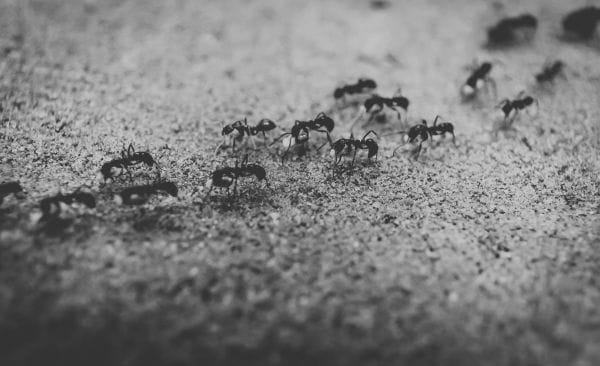
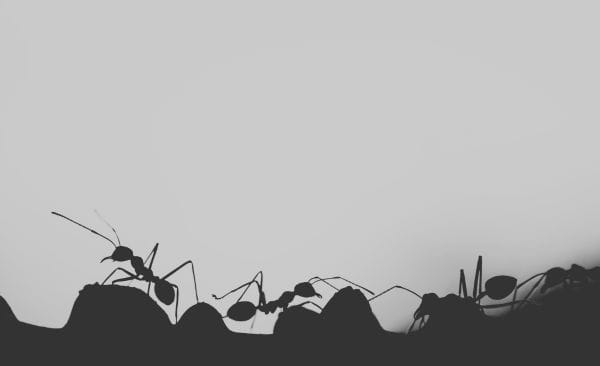
    David barely noticed it, at first. A single black speck crawling across his kitchen counter, weaving through the crumbs of his morning toast. Then another. And another.

    By the time he crouched down, he saw the full line—thin, perfect, stretching from the crack beneath the fridge all the way to a tiny hole near the window. Hundreds of them, maybe thousands, moving in perfect formation.

    He didn’t think much about it. Ants happened.

    So he swiped a paper towel across the counter, breaking the line.

    The effect was immediate.

    The ants stopped. All at once, their tiny bodies stiffened, their paths cut short by his careless motion. They didn’t scatter. They didn’t resume their journey. They just…waited.

    David frowned.

    He expected them to reform, to reroute, to do what ants were supposed to do. But instead, they remained frozen in place.

    Like they were listening.

    The air in the kitchen felt suddenly heavier. The hum of the fridge, the ticking of the clock—everything sounded wrong.

    David shook off the unease, grabbed a sponge, and wiped away the rest. When he looked down again, the ants were gone.

    That night, he dreamed of patterns.

    Endless, shifting threads, weaving in and out of one another, pulsing with something alive.

    Interrupting The Ant Line 8

    Somewhere in the distance, something moved. Not a person. Not an animal. Something greater.

    And it was watching him.

    The next morning, the ants were back.

    But this time, they weren’t moving.

    David found them on the kitchen floor, a perfect, unbroken line of black dots stretching from the fridge to the window. Unmoving. Lifeless.

    They were dead.

    Dozens of tiny corpses, frozen mid-step.

    A cold shiver ran through him. He grabbed a dustpan, sweeping them up quickly, trying not to let the sight bother him.

    It was just ants. That was all.

    Still, he hesitated before wiping the counter again.

    He left their line alone.

    But the lines didn’t stop.

    Over the next few days, he started noticing them everywhere.

    The way the cracks in the sidewalk stretched in impossibly straight formations. The way the cars on the highway moved in eerie synchronization. The way the books on his shelf had arranged themselves into a sloping pattern, one that he knew he hadn’t organized.

    It was all lines. Lines running through everything. Lines woven into the world.

    And when he tried to disrupt them—knocking over a book, stepping deliberately on a sidewalk crack—something changed.

    The world hiccupped.

    Just for a second.

    The cars on the street stuttered, pausing mid-motion before continuing as if nothing had happened. The wind halted, the leaves hanging motionless in the air before resuming their rustling.

    And David felt it.

    Something shifting just beneath reality. Something massive and aware.

    A presence just beyond his comprehension, adjusting, correcting what he had disturbed.

    He barely slept that night.

    By the next morning, the ants had returned.

    Alive this time, but different.

    They moved in a pattern more intricate than before, looping and twisting in a deliberate, unfathomable rhythm. Not a simple line, but a design.

    A warning.

    David didn’t touch them.

    But as he stood there, staring, a realization settled into his bones.

    It wasn’t just ants. It never had been.

    He had interrupted something bigger.

    Something ancient.

    Something that had been weaving the world together in lines, unseen, since the beginning of time.

    And now, it knew he had noticed.

    David backed away, careful not to step on a single one.

    Some things were meant to be left undisturbed.

    Some lines were never meant to be broken.

  • They were never meant to stay

    They were never meant to stay

    It began with a sock.

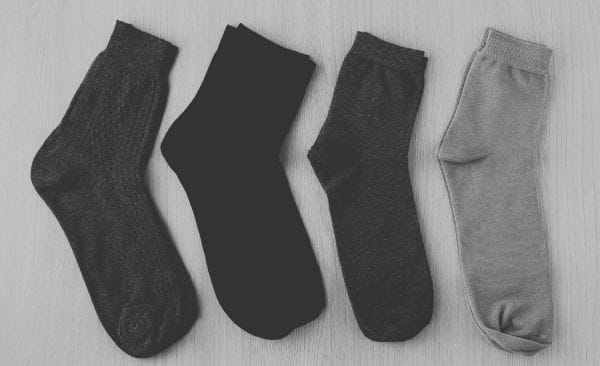
    Not a pair, not two, not even three. Just one. A sock, gray and worn, its fabric soft with age, as though it had lived through every storm, every cold morning, every monotonous shuffle from one day to the next. There were faint blue stripes once, but they had faded so long ago, it was impossible to know what color they had been. It was the sort of sock you didn’t think about. You didn’t need to. It belonged.

    For a while, that’s all it was. Just one sock, tucked into a drawer. Nothing to see here.

    But then, one day, it wasn’t there.

    They were never meant to stay 9

    Not gone. Not lost. Not even misplaced. No. It was as though it had never existed in the first place. One minute it was there, soft and comforting in its familiar spot, and the next — nothing. No sign, no evidence, not even a forgotten thread. Just an absence, like a memory fading before you could grab hold of it.

    At first, no one noticed. Maybe it had slipped between the folds of laundry. Maybe it was tucked under the bed or behind the couch. But when it happened again, and then again, and then a third time, the strange weight of it settled in.

    Socks didn’t just disappear. Not like this. And not for everyone. It wasn’t just your sock drawer. It wasn’t just your laundry room. This was happening everywhere.

    One sock, gone. Another, vanished. It was happening to everyone, in every home, in every laundry pile. The socks were being… hunted.

    But no one talked about it. Not at first. There were whispers, of course. The nervous kind. The “I’m sure it’s nothing” kind. But as the days passed, something else crept in. People who tried to speak up were hushed. “It’s just a sock,” they’d say. “You’re imagining things.” They would laugh, but it was a laugh that didn’t reach their eyes. The silence wrapped itself tighter around the missing socks, until they weren’t even mentioned anymore.

    Then, one evening, as the sun’s light bled into that soft amber dusk — the kind that only happens when the day is almost done but hasn’t quite slipped away yet — something strange happened. A sock appeared. One sock. Sitting at the edge of a bed as though it had always been there. But it wasn’t the sock that had disappeared. Oh no. This sock was green, bright green, with zigzags, but not the kind you’d ever seen before. They seemed to wiggle, as if they had their own pulse, their own rhythm.

    It didn’t come through the door, or down the hallway, or from anyone’s laundry pile. It simply appeared. And though it sat there still, a strange energy hummed from it. It wasn’t quite alive, but it wasn’t quite dead, either. It was as though the sock itself was waiting for something — someone — to notice.

    And that was just the beginning.

    That night, in the stillness that only comes after midnight, another sock arrived. But this one? This one was different. It didn’t look like anything from this world, not even remotely. Its edges were frayed, yes, but not by time. It was the kind of fraying that suggested the fabric of reality itself was starting to come undone. The threads sparkled, like starlight woven into soft, impossible shapes. It wasn’t fabric at all. It was something else.

    And then, that’s when things really got odd.

    The socks… started to speak.

    Not with words, no. Not with sound you could catch in your ears, but with a hum. A whisper, a shiver, a resonance that pulsed through the air. It wasn’t a voice. It was more like a song, ancient and elusive, weaving through your thoughts, tugging on the edges of your mind. Only a few could feel it. Those who were meant to hear it. Those who knew to listen.

    The socks started moving, too. But not in the way socks move. No. These socks would appear in the strangest places — a sock in the middle of a kitchen floor, another in a forgotten drawer, a third perched on a windowsill. They never left a trail. No lint. No nothing. They just were, as if they were traveling between places that shouldn’t exist, in a way that should not have been possible.

    But the strangest part? The socks weren’t just moving. They were changing things. People who wore them began to feel it — that strange pull. They’d put on a sock and suddenly feel… different. As if they weren’t just stepping into a pair of socks, but stepping into a new reality.

    And that’s when the world started to shift. You could feel it. The ground beneath your feet felt off. Buildings that had always been there began to look wrong. The streets twisted like ribbons that didn’t quite connect, and the trees bent in ways that made no sense. Everything felt… slightly out of place.

    That’s when it hit. The socks weren’t just disappearing. They weren’t even being taken. They were portals. Little gateways, stitched together from threads older than time, waiting for those brave enough to step through.

    They were taking pieces of this world. Bits and fragments. The things that got lost, the memories forgotten, the dreams slipped from our hands. And they were carrying them to a place far beyond the world we knew — a place just beyond the edges of our understanding.

    The socks, you see, weren’t just laundry. They weren’t just clothes. They were keys. Keys to somewhere else. Somewhere… strange. A place where the forgotten things go, where the lost hours and the missed moments slip away into a space between realities.

    They were never meant to stay 10

    And here’s the kicker: those who wore them? They had a choice. A choice that sounded so simple, so easy, it almost didn’t feel like a choice at all. Stay. Or step through. Walk into the unknown and follow the socks into whatever strange and mysterious place they led.

    Some stayed. Some didn’t.

    And as for the socks? They kept moving, as if drawn by some unseen hand, as though they were always meant to find their way back to the one who would notice.

    Because, you see, they were never meant to stay.

    But you? You were always meant to find them.

  • Three Knocks

    Three Knocks

    There was a rule in our house: If you think of something bad, knock three times to keep it from happening.

    It wasn’t a superstition we grew up with—Mom made it up when I was about eight. At least, that’s what I used to think.

    The first time I remember her saying it, we were sitting at the kitchen table. She’d been chopping onions for dinner while I told her about a kid at school who said his uncle got struck by lightning. Half-joking, I said, “What if that happened to Dad?” She froze, knife poised mid-air, and turned to me with an expression I couldn’t quite place. Fear? Anger? No, it was deeper than that. Something primal.

    “Don’t say things like that, Eli,” she said sharply. Then, softer, almost pleading: “Knock three times. Quickly.”

    I laughed, thinking it was just a silly game, but she didn’t. Her eyes stayed fixed on mine until I rapped my knuckles against the table three times. Only then did she relax, returning to her chopping as though nothing had happened.

    That was how it started.

    As I got older, it became a reflex. Thinking about failing a test? Knock three times on your desk. Imagining your bike skidding on wet asphalt? Three knocks on the handlebars.

    It felt dumb, sure, but harmless. And honestly, it worked. Nothing bad ever happened.

    Until the week I forgot.

    Three Knocks 11

    It was a Wednesday morning in October, gray and drizzling. I was running late for work and spilled coffee on my only clean hoodie. As I changed, I thought about the rain and muttered, “Watch me skid out on the highway.”

    I didn’t knock.

    By noon, the call came. A ten-car pileup on the I-95. I was fine, but my best friend Caitlyn—the one who took the same route to work every day—wasn’t.

    She’d been in the middle of it, her car crushed between two semis. They said it was quick. Merciful, even. That didn’t help me sleep at night.

    Mom never asked why I suddenly started knocking on everything, all the time. Walls, countertops, my knees under the dinner table. She just nodded like she understood. Maybe she did.

    The second time I forgot was a month later. I’d been at a grocery store, staring at a shelf of canned soup. Mom had been sick with the flu for a week, and I’d been stressing over whether it was really just the flu. “What if it’s something worse?” I whispered under my breath.

    I realized my mistake the moment I got home and found her on the kitchen floor.

    The thing about knocking three times is that it’s not a guarantee. It’s a bargain. An acknowledgment.

    When you knock, you’re not just pushing bad luck away. You’re asking it to take notice of you instead.

    After Mom’s funeral, I tried to stop. I told myself it was all in my head, a coping mechanism twisted into something grotesque by grief and guilt. I ignored every dark thought, every irrational urge to knock.

    For a while, it worked. Nothing bad happened. Life went on.

    Then, last week, I heard it.

    It was late, sometime after midnight. I’d been lying in bed, half-asleep, when there came a soft, deliberate knocking from the wall above my headboard.

    Three knocks. Perfectly spaced.

    I froze, my pulse pounding in my ears. “Eli,” I thought to myself. “It’s just the pipes. Or a branch hitting the side of the house. Something normal.”

    But it wasn’t.

    Knock. Knock. Knock.

    This time, it came from the closet. The air in my room turned cold, heavy, like I’d just stepped into a meat locker. I’d lived in this house my whole life. I knew its sounds, its creaks and groans. This wasn’t one of them.

    I got up, heart hammering, and opened the closet door. Nothing. Just rows of hanging clothes swaying slightly, as if disturbed by a passing breeze.

    Knock. Knock. Knock.

    Now it was coming from the window. But outside, there was nothing but the empty yard, slick with rain.

    I didn’t sleep that night. I stayed in the corner of the room, knees pulled to my chest, and waited for dawn.

    The knocking hasn’t stopped. Sometimes it’s soft, a faint tapping on the bathroom mirror. Other times it’s loud enough to shake the walls. Always three knocks. Always somewhere just out of sight.

    I’ve tried knocking back. It doesn’t help. If anything, it seems to make it more persistent. More eager.

    I don’t know what it wants. But I think it’s waiting for me to slip up again. To think of something bad and forget to knock. Or maybe it’s just reminding me that no matter how careful I am, I can’t keep it away forever.

    Three Knocks 12

    Knock. Knock. Knock.

    That was the front door.

    I’m not expecting anyone.

  • A Blessing in Disguise

    A Blessing in Disguise

    There’s a small antique shop in the middle of town, tucked between a laundromat that smells faintly of detergent and damp carpet and a café no one ever seems to visit. It doesn’t have a name, just a hand-painted sign above the door that says, “Come In, Come Out.” Most people assume it’s a thrift store or some old woman’s junk shop. Hardly anyone notices it unless they’re lost or curious or desperate.

    Ellie wasn’t desperate. Not yet, anyway. She was on her way home from her shift at the diner, her apron still smelling of grease and syrup, when she noticed the shop. She couldn’t recall seeing it before, though she’d walked that street a hundred times. The lights inside were dim, casting the interior in a warm, golden glow. Against her better judgment, she pushed open the heavy oak door. A bell tinkled softly above her, the kind of sound that felt too delicate to belong in a place that smelled like old wood and mildew.

    Inside, it was cluttered but not dirty, the air thick with dust motes and the faint scent of something sweet and metallic. Shelves lined the walls, sagging under the weight of books, porcelain dolls, mismatched tea sets, and strange little knick-knacks that didn’t seem to belong anywhere else.

    “Looking for something?” The voice startled her. Ellie turned and saw a man standing behind a counter she hadn’t noticed. He wasn’t old, but his face had the kind of stillness that made it hard to tell his age. His smile was thin, almost apologetic.

    “Just browsing,” Ellie said, though she didn’t know why she stayed. She should have left right then, but her feet felt heavy, like the floor was tilting ever so slightly forward, urging her to step deeper into the shop.

    “Take your time,” the man said, and then he disappeared into the back, leaving her alone. Ellie wandered the aisles, her fingers brushing over cracked leather spines and tarnished silver. Something about the shop felt wrong, though she couldn’t put her finger on it. The objects seemed… watchful, like they were waiting for her to do something.

    Then she saw it.

    A Blessing in Disguise 13

    It was a small box, no bigger than her palm, sitting on a shelf between a chipped ashtray and a stack of faded postcards. The box was plain, unadorned, except for a tiny inscription on the lid: A Blessing, for You.

    She picked it up. It was lighter than she expected, and when she opened it, she found a single slip of paper inside. In looping handwriting, it read:

    One wish granted. Use wisely.

    Ellie laughed under her breath. It was some kind of gimmick, a joke. But the moment she held the box, a strange warmth spread through her chest. Her exhaustion melted away, her headache from the lunch rush faded, and for the first time in weeks, she felt… good. She set the box down and backed away.

    “Do you like it?” The man’s voice made her jump. He was behind her again, his hands folded neatly in front of him.

    “It’s, uh, interesting,” Ellie said.

    “It’s a blessing,” he said, his eyes gleaming. “A little something to help with life’s burdens.”

    “How much?” Ellie didn’t know why she asked. She didn’t want the box, didn’t want the strange, creeping feeling that came with it, but the question slipped out of her mouth like it wasn’t hers.

    “For you? Nothing,” the man said. “A gift.”

    Ellie hesitated but took the box. She stuffed it into her bag and hurried out of the shop, the bell’s soft chime following her into the street.

    That night, as Ellie lay in bed, the box sat on her nightstand, its plain surface catching the faint light from her lamp. She told herself it was stupid, childish even, to believe in something as ridiculous as a wish. But as the minutes ticked by, her curiosity gnawed at her. She opened the box. The slip of paper was still there, the ink shimmering faintly.

    One wish granted. Use wisely.

    Ellie thought about her bills, her overdue rent, her crappy car that barely started in the mornings. She thought about her boss, who snapped his fingers at her like she was a dog.

    “I wish for a better life,” she whispered.

    The paper dissolved in her hand.

    The next morning, Ellie woke to silence. No creaking pipes, no distant hum of traffic. She rolled over and saw that her room was… different. The peeling wallpaper was gone, replaced by fresh paint. Her thrift store dresser had been replaced by something sleek and expensive-looking.

    Her phone buzzed on the bedside table.

    “Ellie!” It was her boss’s voice. Except he didn’t sound angry or impatient. “We’re so excited to see you at the meeting today. Don’t forget, you’re leading the presentation!”

    “What?” she croaked, but he had already hung up.

    The rest of the day was a blur. Her diner uniform was gone, replaced by crisp business attire. Her car was no longer the rusted clunker she’d been driving for years. People treated her differently, smiling and nodding, calling her “Ms. Harper” with a strange deference.

    At first, she thought it was a dream. But as the hours passed, the truth sank in: her wish had come true.

    But the box hadn’t warned her about the cost.

    That night, Ellie found the box back on her nightstand, though she didn’t remember bringing it home. It looked… different. Darker, heavier. When she opened it, the slip of paper was there again, but the handwriting was different this time, shakier.

    Every blessing has its price.

    The whispers started soon after.

    Soft at first, like wind through the trees. But they grew louder, more insistent. Ellie heard them in the shower, in the hum of her car’s engine, in the dead silence of her apartment.

    It’s not yours. None of it is yours.

    The whispers were right. The life wasn’t hers. It was someone’s, though she didn’t know whose. At work, people would sometimes stare at her, their faces blank and unfocused, like they were trying to remember something.

    And then, one by one, they began to disappear.

    Her boss didn’t show up for the Monday meeting. Her neighbor’s apartment was suddenly vacant, though Ellie could have sworn she’d seen the woman just the day before. Each time someone vanished, Ellie found another slip of paper in the box.

    Debt collected.

    She tried to return it, to take the box back to the shop, but the shop was gone. The space between the laundromat and the café was nothing but a narrow alley now, choked with weeds and broken glass.

    Ellie smashed the box with a hammer, burned it in her kitchen sink, even tried to bury it in the woods. But every morning, it was back on her nightstand, waiting for her. And the whispers never stopped.

    One night, as the shadows in her apartment grew long and the air grew thick with the smell of sweet, metallic decay, Ellie heard a new voice among the whispers.

    “Make another wish,” it said, low and honeyed.

    Ellie stared at the box, her hands trembling.

    Because she knew, deep down, that the only way out was through.

  • Perfect Thomas

    Perfect Thomas

    Thomas always knew he was perfect. Not in the way a child might claim to be the best at a game, but in a quiet, unshakable certainty that seemed to have settled into his bones since before he could remember.

    They’d sit at the dinner table and tell him he could be anything, do anything, and when they looked at him, they saw a kind of magic, a promise of something extraordinary. 

    Thomas didn’t just believe it. He knew it. The world had been laid out for him like an open book, and he was its perfect protagonist. But in the back of his mind, there was always the question: What is it that I’m meant to find?

    By the time Thomas hit his twenties, he’d earned everything society told him he should desire. A prestigious career. Friends who laughed at his jokes. Money that came in such abundance it no longer felt like something to strive for. And yet, when he sat alone in his penthouse apartment, gazing out at the city lights below, a strange emptiness gnawed at him. A persistent, elusive feeling that no accomplishment, no matter how grand, could fill. It was something deeper. Something that couldn’t be named. And the harder he searched, the more distant it seemed.

    In the beginning, he’d brushed it off. Perfect, he thought. I’m perfect. I’ve always been perfect. Surely, the world was simply playing a trick on him. But that trick didn’t stop. It followed him like an insistent whisper at the edge of his mind, growing louder, more urgent. What am I missing? he would ask, but the question hung in the air like a ghost that refused to speak.

    Perfect Thomas 14

    It was on a rain-soaked night, as he walked through the city streets in a fog of indecision, that he saw the door.

    It wasn’t a door he recognized, not even in the usual places. It appeared suddenly in the alley behind a pub he’d passed hundreds of times, standing tall and dark against the drizzling rain. There were no signs, no handles, just a door framed in shadows, like it had always been there, waiting for him. In that strange way of things that feel both unsettling and inevitable, he approached.

    As his hand touched the cold, smooth wood, a tremor ran through him. He hesitated, but only for a moment, before pushing the door open. The room beyond was so dark, so thick with shadows, that he could not see a thing. Yet, as soon as his foot crossed the threshold, the world outside disappeared. No rain. No street. Only a vast expanse of darkness. A sky, without stars. A silence so deep it pressed against his ears.

    But then, from the void, a voice. It wasn’t a whisper, but a melody, haunting and familiar. “Thomas.”

    He froze.

    “You’ve been looking for something,” the voice said, not from one place, but all around him. “For something that’s always been here.”

    Thomas opened his mouth to speak, but no words came out. The voice seemed to know his thoughts, to read them like an open book. It hummed a soft, eerie tune, and he felt a presence growing beside him, just out of sight. His skin prickled with cold, and in the silence, his own breathing was the loudest thing he could hear.

    And then he saw it. Or, rather, saw him. 

    Standing before him was a figure, the outline of a boy, but one who looked like he could have stepped out of a forgotten memory. He was young—too young—but the same age Thomas had been when he first thought he was perfect. His eyes glowed faintly in the darkness, sharp and piercing, but empty, as though they had once seen something too horrifying to understand.

    “You,” Thomas whispered, but the boy didn’t answer. Instead, he raised his hand, and with it, the world around them began to shimmer, as though it were made of smoke, twisting and bending like liquid. Shapes began to take form—too quickly for Thomas to process—and suddenly, he was standing in a place he couldn’t recognize, a realm between places, somewhere in the world and somewhere out of it.

    “This is the space between,” the boy said, and though his voice remained soft, there was something otherworldly about it now. “The place where things that should have been fall through the cracks. You’re searching for the piece of you that slipped through.”

    Thomas looked around. The air was thick with memories—his memories, but twisted. He saw himself as a child, his hands dirty from playing in the mud. He saw himself at a family dinner, laughing with his parents. He saw moments he didn’t remember, parts of his life that shouldn’t have been there, yet they all felt… real.

    “I was perfect,” Thomas said, his voice a fragile thread, barely clinging to his confidence. “I always knew I was perfect.”

    The boy tilted his head, eyes narrowing. “You were perfect, yes. But you weren’t whole. And that’s what you’ve been searching for. The pieces of you that you lost in the wanting.”

    Thomas took a step forward, but the ground shifted beneath him, swirling like quicksand. “What do you mean? What is this place?”

    The boy smiled, a smile that seemed to stretch, unnatural, as the world around them began to blur even more. “This is where everything you wanted goes… when you don’t know what you need.”

    The shadows began to consume them both, growing and twisting, until Thomas couldn’t tell which way was up. The boy’s figure flickered like a candle in the wind.

    “Are you me?” Thomas asked, his voice trembling now, his mind unraveling at the edges.

    The boy’s eyes glinted, as if he had known this question would come, but the answer was not what Thomas expected.

    “No,” the boy said, his voice fading. “But I was what you were always afraid of.”

    The last thing Thomas heard before the world folded in on itself was the boy’s voice, distant but somehow close, whispering a final riddle:

    “Perfect is never complete.”

  • Rice Down The Drain

    Rice Down The Drain

    Curiosity killed the cat. Or so they say. But for Clara, it wasn’t curiosity that got her into trouble. It was a simple mistake—a flick of the wrist, a careless gesture, something as small as the rice she threw down the drain. It should’ve been forgotten by now, the kind of thing that vanishes the moment the water swallows it up. But nothing disappears so easily, not in this world, and certainly not in the other one.

    It started on a Tuesday. Clara had spent the whole afternoon in her cramped kitchen, cooking dinner for herself. The stove hissed and the clock ticked too loudly. She hadn’t been paying attention when the rice overflowed—just one of those tiny things, a slip, a little accident. So, she grabbed the bowl, leaned over the sink, and without a second thought, tossed the excess rice into the drain.

    Rice Down The Drain 15

    That’s when it happened.

    The drain didn’t swallow the rice like it was supposed to. It spat it back out, a small sound, like a strangled gasp. 

    The rice piled up at her feet, too much for her sink, too much for her world. Clara froze, staring at the strange mound of rice. It was a lot. Too much, considering how small the pot had been. She bent down to scoop it up but stopped when something shifted beneath the surface—like the way a shadow moves when you’re not looking directly at it.

    A low, almost imperceptible hum filled the room.

    “That’s odd,” Clara murmured, but the words felt heavy. She glanced around, as if the walls might be watching her. She shook her head, trying to dismiss it. Rice doesn’t hum. It doesn’t move. But in that moment, it seemed to pulse with life, like a thousand tiny hearts beating in unison.

    Clara didn’t know it then, but that rice had come from a place she couldn’t see, a place that didn’t belong in her world. The world beneath the drain.

    And she had opened a door.

    The next day, things started changing. Tiny things at first—no big deal. The bread didn’t taste like bread. It tasted like something… else. Not sour, but wrong in a way that made her stomach twist. Her reflection in the mirror—her eyes, they were too wide, too eager, like something was pushing its way out from behind them. The shadows seemed to whisper her name.

    At night, the hum returned. Faint at first, but louder every time she went near the sink. By Thursday, the air in the kitchen had turned thick, as if the room had grown too small for her, too close. And when she opened the drain, she saw it—beneath the metal grate, just beyond reach—a flicker of movement. Something watching her from the depths.

    “Hello?” she whispered, leaning closer, but the word tasted wrong on her tongue.

    And then it appeared.

    Not a thing, not a person. Not a shape, really. Just… a presence, a wave of cold that sucked the warmth from the room. It was like staring into a storm cloud, and she knew in her bones—this thing didn’t belong. 

    She should have backed away, should’ve slammed the cupboard door shut, but something inside her, something deep and buried, urged her to reach deeper.

    She reached for the drain.

    Her fingers brushed the cold, metal edge… and everything shifted.

    The world around her cracked, like glass splintering in slow motion. She could hear the high-pitched whine, the hum that was now deafening. The rice, all of it, began to wriggle and shift on its own, each grain becoming a crawling thing. And the voices—so many voices, all whispering in languages she couldn’t understand—echoed in her ears.

    Suddenly, there was a figure. Not a human figure, not entirely. A silhouette, made of shifting shadows and light, something else. It reached out, its hand too long, too thin, and it spoke, its voice echoing deep inside her skull.

    “You shouldn’t have thrown it away.”

    Clara’s heart hammered in her chest. “What are you?” she whispered, but the words felt like they were stolen from her mouth.

    The figure didn’t answer. It didn’t need to. It leaned closer, and for a moment, Clara could see its face, if you could call it that. It was a patchwork of everything—eyes, but not human ones. Teeth, but not the kind you could bite with. A mouth, wide and endless, stretching impossibly.

    “You released us,” it said, its voice soft but sharp, like nails dragging across glass. “You opened the door, and now we will collect.”

    Before she could move, the room around her buckled and the world flickered. Everything spun, her kitchen, her apartment, her very existence—and then there was nothing.

    When Clara woke up, the drain was empty. The rice was gone, the hum was silent, and everything seemed… normal. But it wasn’t. She could feel it now, deep inside her, the echo of what she had let loose, the thing that had followed her back.

    And that’s when she knew the truth. 

    Curiosity had killed the cat. But the rice—that rice?  It had killed much more.